Why Collision Paint Estimates Differ in Los Angeles: What the Refinish Line Items Mean
A plain-English guide to collision-paint estimates, including surface preparation, color matching, blending, materials, and the questions to ask before authorizing work.
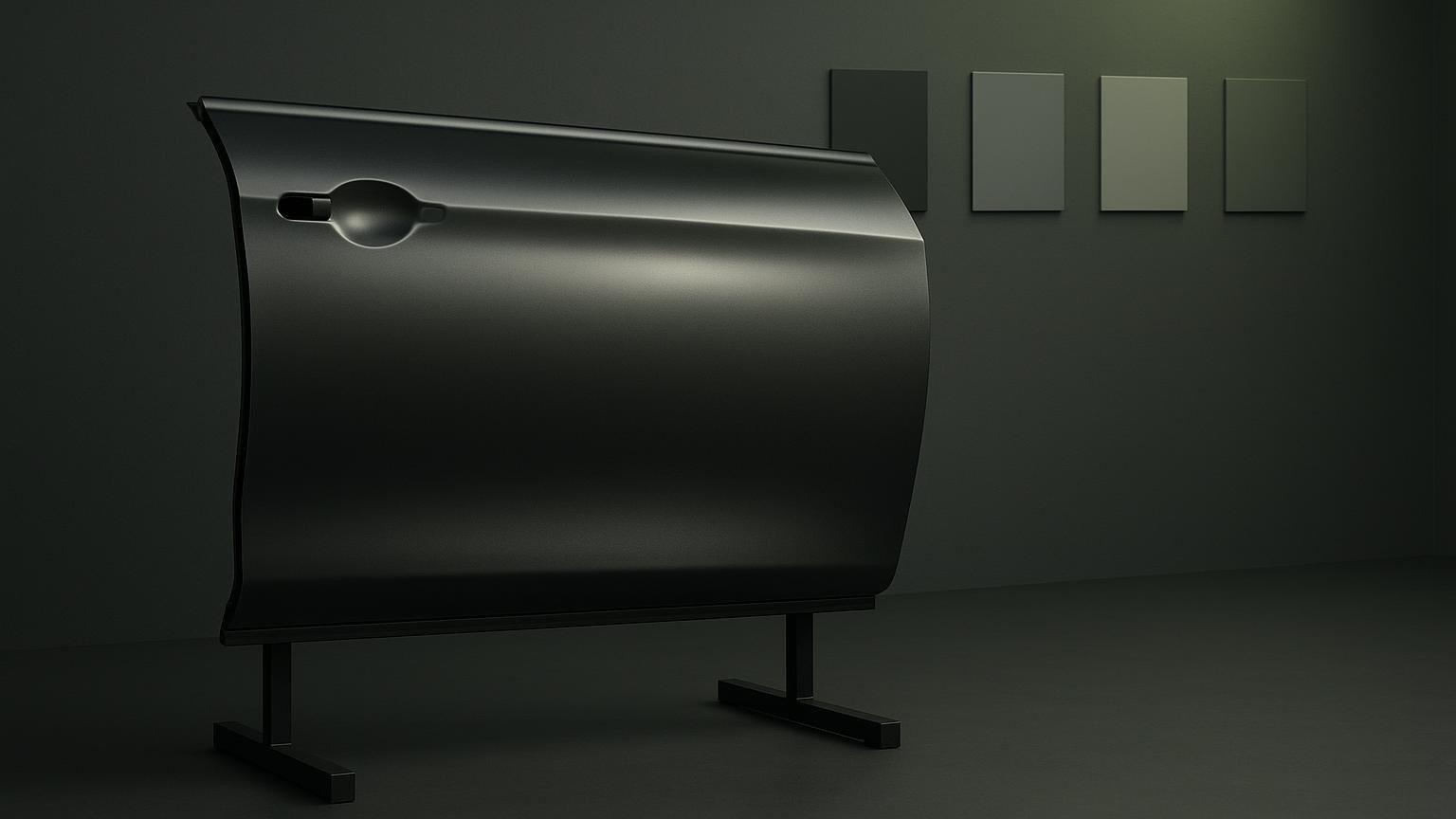
A Paint Line Is Usually More Than Color on One Panel
Two collision estimates can describe the same damaged panel and still show different refinish totals. The difference may come from the damage, the finish, the panels that must be accessed, or the steps each estimate includes—not simply from one shop charging more for paint.
Collision refinishing starts after the repair method is decided. A dented door that can be repaired has a different path from a replacement door shell. A bumper cover, aluminum panel, previously refinished panel, matte finish, or multi-stage color can also change the preparation and color-matching work.
The useful question is not just “How much is paint?” Ask what surface will be repaired, which panels will receive color or clear coat, what must be removed for access, and which parts of the scope remain uncertain until inspection or teardown.
Preparation Happens Before the Color Coat
The visible finish depends on work performed before color is applied. Depending on the repair, the plan may include cleaning, sanding, feathering damaged edges, applying primer or sealer, blocking the surface, masking adjacent areas, and preparing new or repaired parts according to the product and vehicle requirements.
Trim, lamps, handles, moldings, sensors, liners, or adjacent parts may need removal and reinstallation so the repair area can be prepared and refinished without creating a hard paint edge. When they are needed and not already included in another operation, the estimate should identify them under the applicable estimating guidance.
This is also why a photograph cannot settle every paint question. Existing repairs, corrosion, cracked coatings, damaged mounting points, or an uneven substrate may become clear only after the area is cleaned or disassembled.
Color Matching and Blending Solve Different Problems
A paint code identifies a color family, but it does not guarantee that one formula will match every vehicle carrying that code. I-CAR notes that factory application differences, production locations, weathering, prior repairs, pigments, spray technique, temperature, and humidity can all affect the color seen on the car.
A shop may compare color chips, use a spectrophotometer, create a spray-out card, or adjust the formula with tinting. Blending is a separate technique: the color transitions into an adjacent area so the eye does not see an abrupt boundary between the repaired finish and the existing finish.
Blending should not be listed as a vague upgrade. Ask which adjacent panel is involved, why the transition is needed, and whether the estimate includes the related preparation and clear-coat operations. The answer may differ for a solid color, metallic, pearl, three-stage, matte, or previously repaired finish.
Labor and Materials Are Different Parts of the Estimate
Refinish labor generally represents technician time. Paint materials account for products and consumables used in the process, such as cleaners, abrasives, masking supplies, primers, sealers, color, clear coat, hardeners, reducers, and related shop materials. Estimating systems may calculate those categories differently, so compare the scope rather than one isolated rate.
Look for lines that explain what is being refinished, what is being blended, and which parts are being removed or masked. Also ask whether the estimate addresses edges, jambs, the back side of a replacement panel, corrosion protection, texture, stripe or film removal, and finish-specific procedures when those items apply.
Not every operation belongs on every repair. A clear estimate connects each line to the damaged area, the selected repair method, the paint system, and the applicable technical information.
Los Angeles Refinish Work Has Real Compliance Requirements
Automotive refinishing in the South Coast air district operates under coating and emissions rules. South Coast AQMD says Rule 1151 establishes volatile-organic-compound limits for automotive refinishing coatings used across facilities in the district. Federal EPA rules also regulate certain paint-stripping and surface-coating operations and include requirements intended to reduce hazardous air emissions.
Those rules do not create one standard customer price, and they do not prove that a particular estimate is complete. They show that automotive refinishing uses regulated coatings and is subject to air-emissions controls. They do not, by themselves, validate a shop's estimate, equipment, or repair process.
Avoid treating “Los Angeles overhead” as an unexplained surcharge. Ask the shop to explain the actual labor, materials, and repair operations on your vehicle instead of relying on a broad market claim.
Why the Paint Scope Can Change After the First Estimate
A preliminary estimate may assume that a panel is repairable, a molding can be reused, or the adjacent finish is suitable for blending. Inspection can change those assumptions. A panel may require replacement, a one-time-use part may be identified, or an old finish may need additional preparation before it can support the new coating system.
California’s Bureau of Automotive Repair says customers are entitled to an estimate before work starts and must authorize additional repairs when more problems are found. A revised paint scope should therefore identify what changed, why it changed, and how the added operation affects the authorized total.
That is different from an open-ended promise that every supplement will be paid. The shop documents the repair need, the customer authorizes the work, and the insurer separately evaluates coverage and payment under the policy and claim.
Eight Questions to Ask When Comparing Paint Estimates
Use the estimate review to make the scope visible:
• Which panel is being repaired or replaced, and which surfaces will be refinished?
• What preparation is included before primer, color, and clear coat?
• Does any trim, lamp, handle, molding, sensor, or adjacent part need removal and reinstallation?
• Is blending proposed, and what color-match evidence supports it?
• Is the finish solid, metallic, pearl, multi-stage, matte, or otherwise procedure-sensitive?
• How are refinish labor and paint materials calculated on this estimate?
• Which items could change after teardown or a closer finish inspection?
• How will the completed finish, reassembled parts, and any affected systems be checked before delivery?
The goal is not automatically the shortest or longest estimate. It is a repair plan that explains the work well enough for you to compare the same scope.
Bottom Line for Los Angeles Drivers
A collision-paint estimate should explain the path from damaged surface to finished vehicle. Preparation, access, color evaluation, blending, materials, finish type, and final checks can all affect the amount.
When two estimates differ, compare panel by panel and operation by operation. MLUX can inspect the vehicle and help turn those line items into a vehicle-specific repair plan, but the final scope should remain tied to the actual damage, current technical information, and the finish found on the car.
Frequently Asked Questions
Need a Repair? Start With a Photo Assessment
Share damage photos to start a preliminary assessment. Final repair scope depends on a vehicle-specific inspection.
Collision repair guidance for Los Angeles drivers, with clear repair planning and insurance-documentation support.